Fermentation – An Ancient Art, A Living Legacy

At Occasio Winery, fermentation is more than just chemistry—it’s a connection to something ancient, something profoundly human. It’s the act of transforming raw ingredients into something enduring and meaningful, a practice that has sustained cultures for millennia. And as it turns out, this journey goes back farther than most of us imagined.
In 2016, archaeologist Adam Boethius published a study that rewrote what we thought we knew about early human societies. At Norje Sunnansund, an Early Mesolithic settlement along Sweden’s southeastern coast, scientists unearthed a clay-lined trench filled with over 200,000 fish bones—mostly small, bony species like roach. The trench, dating back more than 9,000 years, was used to ferment fish without salt, likely wrapped in seal or boar skins, buried with pine bark, and left to sour in the cold Scandinavian climate.
The scope of this operation was staggering—up to 60,000 tons of fish may have been processed using this method. This wasn’t casual foraging. It was a preservation strategy designed for long-term storage, supporting a community that was far more settled and technologically sophisticated than we once believed. These weren’t nomads chasing food—they were people shaping the land and responding to climate with ingenuity.
From Preservation to Culture
Fermentation began as a practical solution to a basic problem: how to preserve perishable food before refrigeration, pasteurization, or canning. But what started as necessity evolved into culture. All over the world, fermentation became a way of adding value—extending shelf life, yes, but also deepening flavor, enhancing nutrition, and creating identity.
In Mesopotamia, some of the first written recipes—etched in cuneiform on clay tablets—described how to brew beer. Fermented from barley and flavored with herbs, these ancient beers were cloudy, low in alcohol, and sipped communally through straws from a shared vessel. The Sumerians even had a goddess of beer: Ninkasi.
Meanwhile, in the Caucasus Mountains, herders were fermenting milk into yogurt and kefir, harnessing wild cultures to transform something spoilable into something enduring. In China, early records show the fermentation of soybeansinto sauces and pastes as far back as 2,000 BCE. And in Egypt, wild yeasts floating through the warm desert air gave rise to the first leavened breads—a fermented innovation that changed how the world ate.
The Roman Ferment: Garum and Beyond
By the height of the Roman Empire, fermented fish had become garum, a prized sauce made by layering fish guts, salt, and herbs in amphorae and letting it sit in the sun. Garum was essential to Roman cooking—an early ancestor of Southeast Asia’s fish sauce or Italy’s colatura di alici, still crafted today on the Amalfi Coast from anchovies and sea salt.
These sauces, born of necessity and preserved by tradition, do what fermentation has always done best: transform the simple into the sublime. They concentrate flavor, capture place, and extend the life of something perishable into something lasting and meaningful. The Romans used garum like we use Worcestershire or soy sauce today: in everything.
The appetite for fermentation crossed social lines—peasants and patricians alike relied on it, and it influenced everything from wine and olive oil production to cheese making. Roman texts describe the ripening of goat and sheep cheeses using rennet and aging methods remarkably similar to those still used in traditional European cheesemaking today.
From Cave Cheese to Cellar Wine
Fermented dairy has its own long and storied path. As soon as humans began domesticating animals, they found that milk left in warm conditions would curdle—and could, under the right circumstances, be transformed into something wonderful. The development of cheese—likely accidental—offered a way to preserve nutrition for long journeys or lean seasons.
The ancient Greeks were said to favor pungent, aged cheeses. The Celts buried cheese in peat bogs. By the time of medieval monasteries, cheesemaking had become a refined craft, tied to local terroir—just like wine. Today, you can taste that legacy in everything from Roquefort to Parmigiano-Reggiano, each a reflection of the microbes, animals, and cultures of their regions.
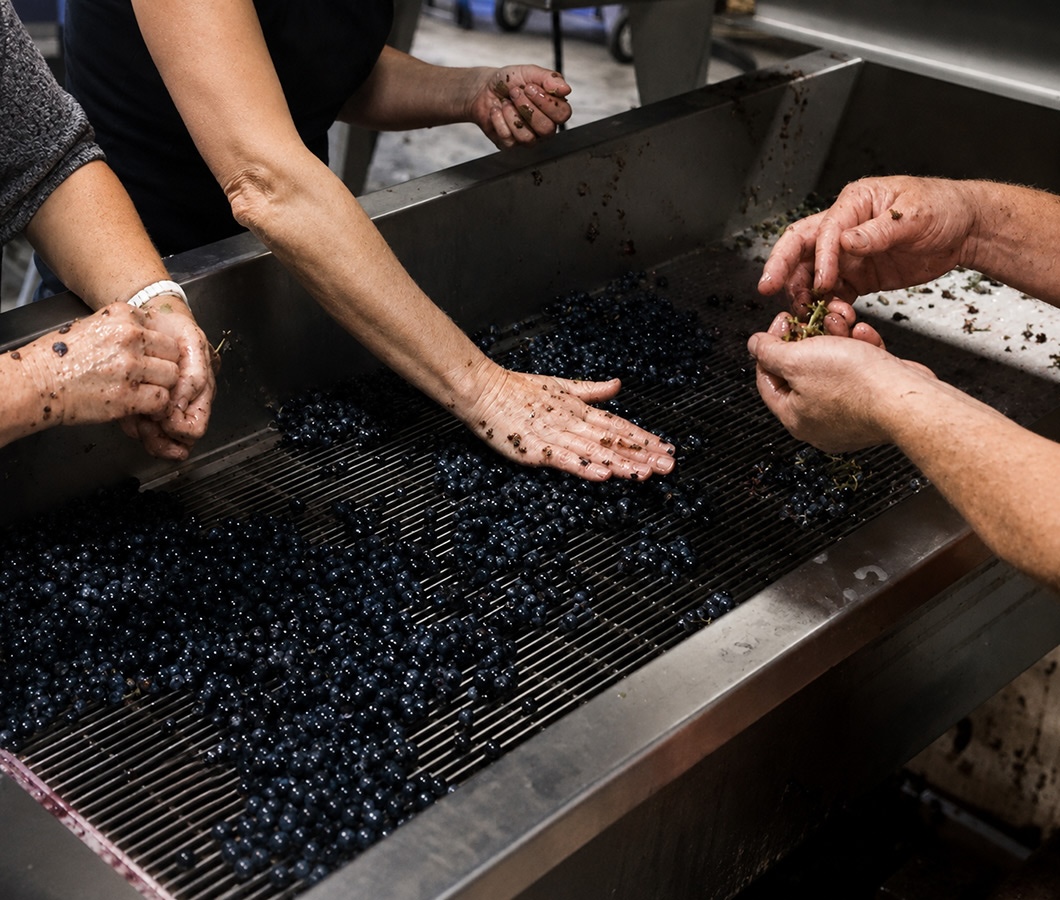
And just like cheese, wine is a product of terroir and transformation. When grapes are crushed, their sugars attract wild or cultivated yeast, which in turn ferment those sugars into alcohol. The same invisible process that transformed fish in Sweden or barley in Babylon works in our winery today, drawing flavors, aromas, and textures from our fruit—and shaping the story that each bottle tells.
The Microbial Dance
Fermentation isn’t just a technique—it’s a relationship. It’s about trusting microorganisms to do what they do best. In the case of winemaking, it’s yeast converting sugar into alcohol, heat, and CO₂. In the case of sourdough, it’s a symbiotic colony of yeast and lactobacillus creating acid and air, texture and tang. In yogurt, it’s a specific strain of bacteria producing lactic acid, which gives the final product its tartness and creamy texture.
Each tradition has its own microbial cast. And yet, they all rely on natural processes, guided by human hands. What began as spontaneous transformation evolved into ritual and eventually into science—but it never lost its connection to place.
Even modern beers, with their stainless steel tanks and precise lab cultures, still rely on ancient strains of yeast like Saccharomyces cerevisiae, a species that’s been helping humans brew and bake for thousands of years.
The Continuum We Inhabit
At Occasio, we see ourselves as part of this long story. We use modern equipment, yes, but our core philosophy is rooted in tradition. We ferment in small lots to preserve site expression. We let the yeast work slowly to draw out complexity. We embrace native fermentations when possible and nurture our wines with minimal intervention. Every decision we make is a balance between honoring the past and innovating for the future.
In this way, we share something fundamental with the fish fermenters of Norje Sunnansund, the brewers of Sumer, the garum-makers of Rome, and the cheesemongers of the Alps. We are all part of the same legacy: using fermentation to preserve not just food, but story, memory, and meaning.
Fermentation is one of the great connectors in human history. It transcends time and geography. It links us not just to our ancestors, but to each other—across cultures, disciplines, and dining tables.
Why It Still Matters
In an age of instant gratification, fermentation is an act of patience and trust. It forces us to slow down, to engage with nature rather than overpower it. It reminds us that flavor takes time, and that some of the best things in life can’t be rushed.
It also helps us waste less and live more sustainably. Fermented foods are resilient. They stretch the harvest. They make use of surplus. They’re packed with nutrients and flavor. From sauerkraut to soy sauce, they help us make the most of what we have.
And perhaps most importantly, they connect us to the land. Every region has its fermented specialty—something it does better than anywhere else. For us, it’s wine. And through fermentation, we capture our place in the bottle—the warmth of the sun, the cool of the fog, the soil beneath the roots.
A Living Legacy
Each bottle of wine, each spoonful of miso, each sliver of aged cheese tells a story—not just of craft, but of culture. These foods are living traditions, sustained over thousands of years because they still nourish us—body and soul.
When we sip our wines, we’re not just tasting the grapes of this season. We’re experiencing the echoes of Mesolithic fish pits, the bustling kitchens of Roman villas, and the cool cellars of Alpine monasteries. We’re taking part in a 9,000-year-old conversation between people and the planet, guided by microbes and made possible by human care.
So here’s to fermentation: the ancient art that continues to shape our plates, our palates, and our sense of place. May we continue to learn from it, celebrate it, and pass it on.
Raise a glass to the transformation—and to the timeless bond it represents.