Sangria’s Timeless Allure: From Ancient Roots to Modern Madness
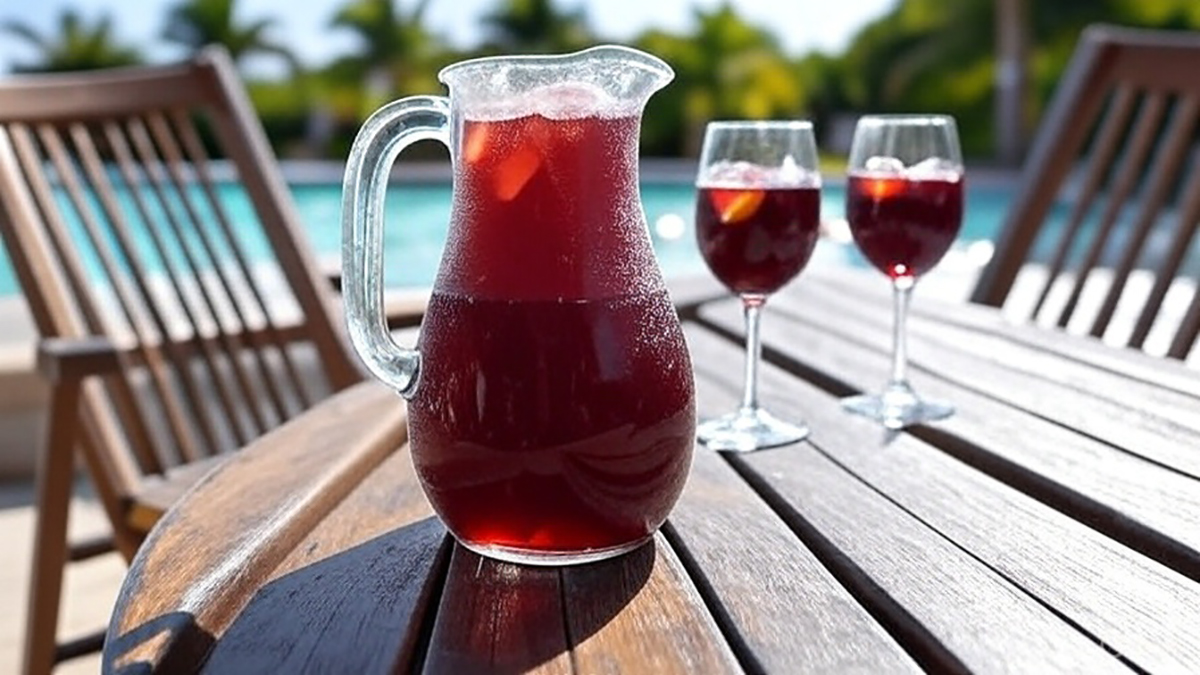
Sangria. Just the word conjures images of sun-drenched patios, clinking glasses, and that unmistakable blend of wine, fruit, and celebration. But beneath its summery charm lies a story that spans empires, cultures, and centuries.
In this post, we’ll explore the fascinating origins of sangria—how it evolved from ancient medicinal brews to the star of modern gatherings—and highlight how we honor this heritage through our annual “Sangria Madness” class. Whether you’re a home mixologist, history buff, or just love a good pour, this is your invitation to explore sangria’s deliciously layered past and present.
Ancient Origins: Wine with a Purpose
While today’s sangria is a Spanish icon, its roots stretch across ancient civilizations. Winemaking itself dates back over 8,000 years to the region now known as Georgia. But it wasn’t just about sipping: in ancient times, wine was often used as a safer alternative to contaminated water, and mixing it with herbs, spices, and fruit helped both flavor and preserve it.
The Romans played a pivotal role in this evolution. As they expanded into the Iberian Peninsula around 200 BC, they brought their vinicultural practices with them. Roman wines—often acidic and rough by modern standards—were frequently blended with honey, herbs, and spices to improve their taste and longevity. Beverages like mulsum (wine with honey) and conditum paradoxum (a spiced wine featuring pepper, saffron, and dates) were early blueprints for what would become sangria.
Spiced Wine in the Middle Ages
After the fall of Rome, the tradition of enhancing wine didn’t vanish—it evolved. In medieval Europe, spiced and sweetened wines flourished, especially with the influx of exotic ingredients from trade routes like the Silk Road. Think cinnamon, cloves, ginger, and nutmeg—spices valued not just for flavor but for their supposed medicinal properties.
This era gave us hippocras, a sweet spiced wine often strained through a cloth filter known as the manicum hippocraticum, named after the Greek physician Hippocrates. Recipes appeared in medieval cookbooks like Le Viandier and The Forme of Cury, showing just how widespread this tradition became.
In Spain, local adaptations emerged. Citrus fruits—introduced by the Moors during their occupation of the Iberian Peninsula—began to show up in wine punches. Regional specialties like limonada in León and clarea (a white wine version sweetened with honey) laid the groundwork for sangria’s vibrant future.
A Name is Born
The word “sangria” is believed to derive from the Spanish sangre, meaning “blood,” referencing its deep red hue. The name itself didn’t gain popularity until the 18th or 19th century, but the drink it described had long been a staple across Spain and Portugal: a mix of red wine, chopped fruit, sugar, and brandy served chilled—especially at family gatherings and fiestas.
As wine quality improved and winemaking became more accessible, sangria cemented its place as both a practical and celebratory drink. And as Spain’s influence spread, so too did sangria—morphing into tropical versions like clericó in Argentina and Uruguay.
Sangria Goes Global
Sangria’s big moment on the world stage came in 1964 at the New York World’s Fair, where the Spanish pavilion introduced it to American audiences. Its fruity charm and low-alcohol profile made it a hit, and by the 1970s it was a fixture at picnics and parties.
Today, sangria is even regulated under EU law: to be labeled “sangria,” it must be produced in Spain or Portugal and remain under 12% ABV. But regulations aside, the heart of sangria lies in its adaptability—a trait we celebrate every year in our own special way.
Sangria Madness: Where Tradition Meets Innovation
Each summer, we host “Sangria Madness,” a lively, hands-on workshop that honors sangria’s centuries-old tradition while experimenting with bold, modern interpretations.
The rules are simple: wine is the base, but everything else is fair game. We take inspiration from sangria’s long lineage—Roman infusions, medieval spice blends, Iberian citrus—and push it in new directions.
Here are four inventive recipes from this year’s class that show how timeless sangria can be—while still keeping things fresh.
The Hugo
Recipe (Serves 6–8):
• 1 bottle (750ml) chilled sparkling Malvasia
• 1/2 cup elderflower syrup
• Juice of 2 limes
• 1 cup soda water
• Mint leaves and lime wheels for garnish
Gently stir and quickly serve chilled over ice (or add the mix and stir in the sparkling wine and soda water just before serving) . Perfect for brunch or a warm afternoon in the garden.
Hibiscus-Infused Red Sangria
Hibiscus offers deep crimson color and tart acidity, adding complexity to this fruit-driven sangria.
Recipe (Serves 12–16):
• 1 cup dried hibiscus flowers
• 1/2 cup sugar + 5 cups water
• 2 bottles Occasio Pinot Noir/Zinfandel blend
• 1 cup fresh orange juice
• 3/4 cup Sidewinder Vodka
• 1/2 cup triple sec
Optional: star anise or cinnamon
Rinse hibiscus in large bowl of cold water. Transfer to saucepan with sugar and water (and spices, if using). Boil for 1 minute, then remove from heat, cover and let steep for 2 hours. Strain.
In a large pitcher, stir together 2 cups hibiscus mixture, wine, orange juice, vodka and triple sec. Serve over ice.
Spiced Summer Sangria
This take on sangria adds subtle spice—cinnamon and star anise—into a classic red sangria base for something both familiar and intriguing.
Recipe (Serves 6–8):
• 1 bottle Occasio Zinfandel or Cabernet Sauvignon
• 1/4 cup Sidewinder Brandy
• 1/4 cup orange liqueur
• 2 tbsp honey or simple syrup
• 1 sliced orange, 1 diced apple
• 1 cinnamon stick, 1 star anise
• 1 cup chilled ginger ale
Add all ingredients except ginger ale to a pitcher and let it rest covered overnight in the refrigerator. Add the ginger ale before serving for a light fizz.
Frosé Sangria
Blending frozen rosé cubes with strawberry purée creates a refreshing slushy—perfect for poolside parties or summer soirees.
Recipe (Serves 4–6):
• 1 bottle rosé, frozen in ice cube trays
• 1 cup strawberry purée
• 1/4 cup sugar
• Juice of 1 lime
Fresh strawberries and basil for garnish
Blend until slushy and serve immediately in chilled glasses.
Sangria as Living Tradition
Sangria’s story is one of constant reinvention. From Roman soldiers and medieval monks to backyard mixers and bartenders today, this drink has always adapted—absorbing new ingredients, embracing new ideas.
Our Sangria Madness class embodies this spirit of play and tradition. Whether you prefer your sangria bold and spicy or light and floral, there’s always room to try something new.
So grab a bottle, slice some fruit, and raise a glass. The past is in your pitcher—and the future is yours to pour.